
What Is Powder-Coated Steel? A Quick Introduction
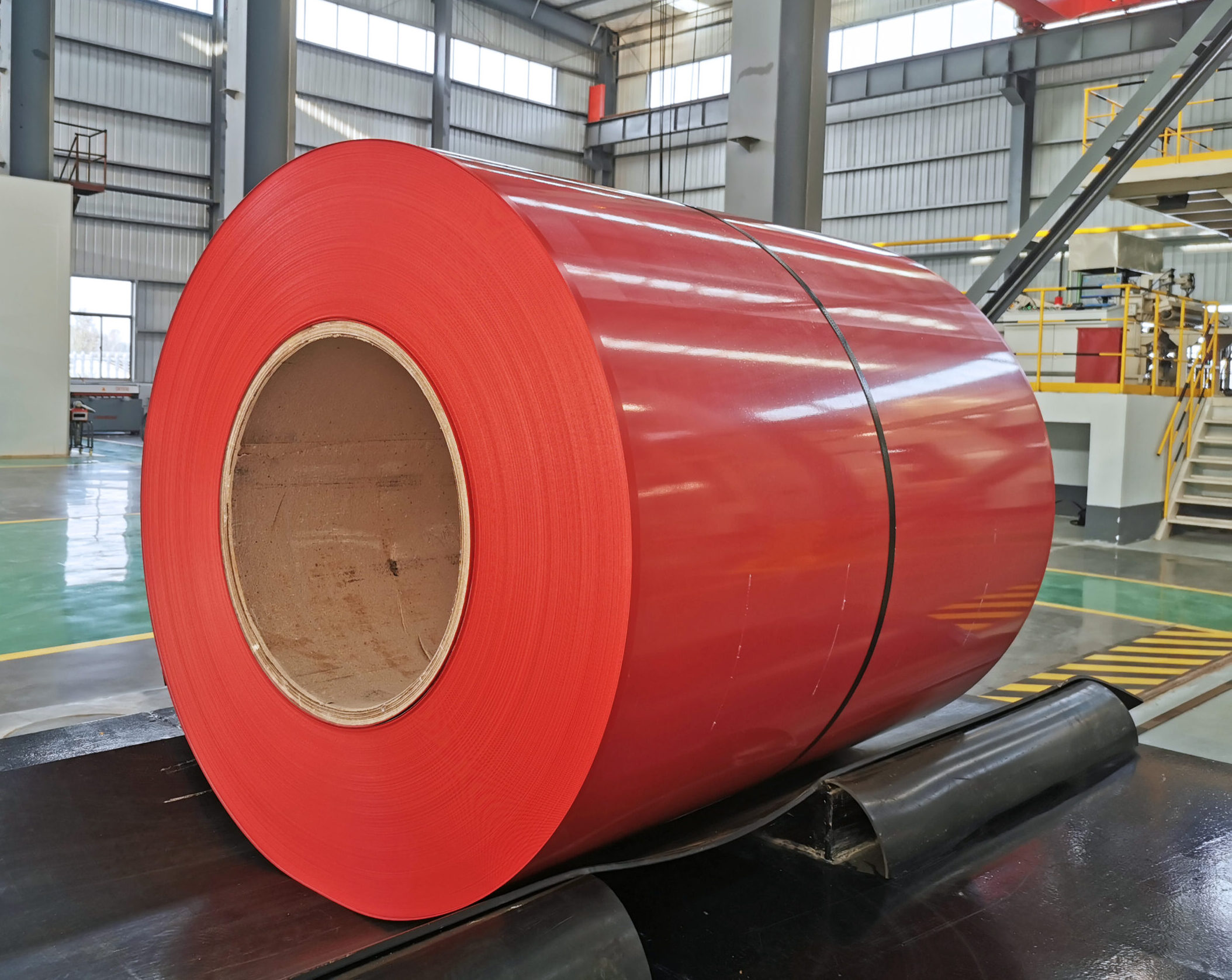
The powder-coated steel, often referred to in the industry as the “next-generation prepainted steel,” is far from ordinary color-coated steel. It is a new type of material in which a highly dense coating is formed on the metal substrate through high-speed electrostatic deposition followed by a single high-temperature curing process. Its full name is continuously pre-coated powder color-coated steel sheet and coil, and it is also known as electrostatically powder-coated steel or powder-coated color steel.
Compared with traditional solvent-based prepainted steel, it is like giving the metal a “seamless armor” — achieving significant upgrades in corrosion resistance, aesthetics, and environmental performance.
Core Composition: The Right Substrate Doubles the Performance
The “foundation” of powder-coated steel is critical. Different substrates correspond to different application scenarios—choosing the wrong one can significantly affect service life.
| Substrate Type | Key Advantages | Typical Applications |
| Cold-Rolled Steel | Low cost, easy to process | Indoor filing cabinets, electrical enclosures |
| Galvanized / Galvalume Steel | Basic corrosion resistance, suitable for humid outdoor environments | Building roofs, fences, guardrails |
| Zinc-Aluminum-Magnesium Steel | Excellent salt spray resistance (up to 3× that of galvanized steel) | Coastal construction, marine equipment |
| Aluminum | Lightweight, non-magnetic | Home appliance casings, elevator interiors |
| Stainless Steel | Excellent corrosion resistance, premium appearance | Cleanrooms, high-end decorative applications |
Coating Options: From Functionality to Aesthetics, Endless Possibilities
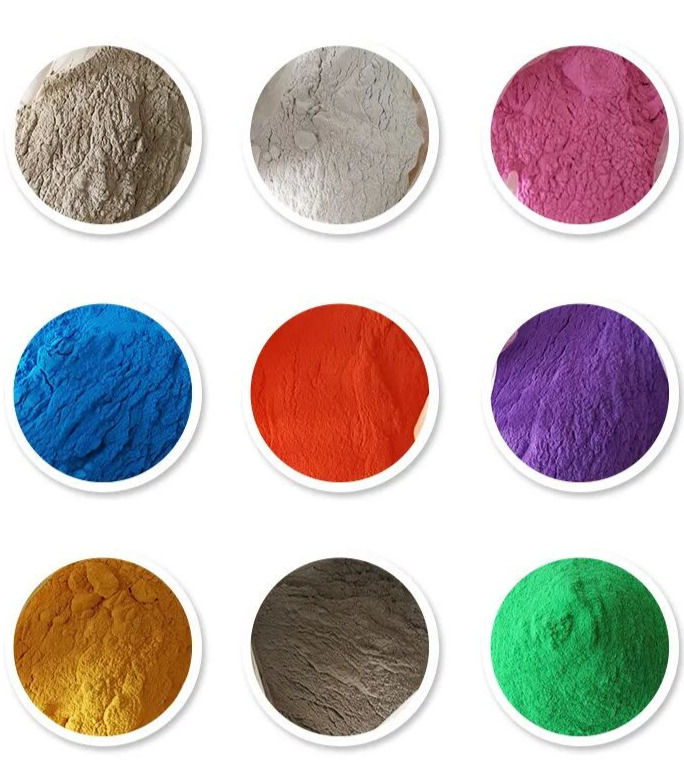
The coatings of powder-coated steel do more than just provide protection—they also offer a wide range of visual and functional effects. They can be broadly divided into two categories:
Functional Coatings:
- PE (Polyester): Basic weather resistance
- HDP (High Durability Polyester): 5–8 years outdoor performance
- PVDF (Fluorocarbon): 10+ years outdoor durability
- Zinc-Rich Coating: Enhanced corrosion protection
- Antibacterial Coating: Suitable for medical and food-processing environments
- Anti-Static Coating: Ideal for electronics manufacturing facilities
Textured & Decorative Coatings:
- Pearlescent
- Printed patterns
- Self-cleaning (low maintenance)
- Sand-textured
- Wrinkle finish
- Leather-like texture
- Orange peel texture
- Chameleon (color-shifting effect)
Powder Coated Steel Layer Structure:
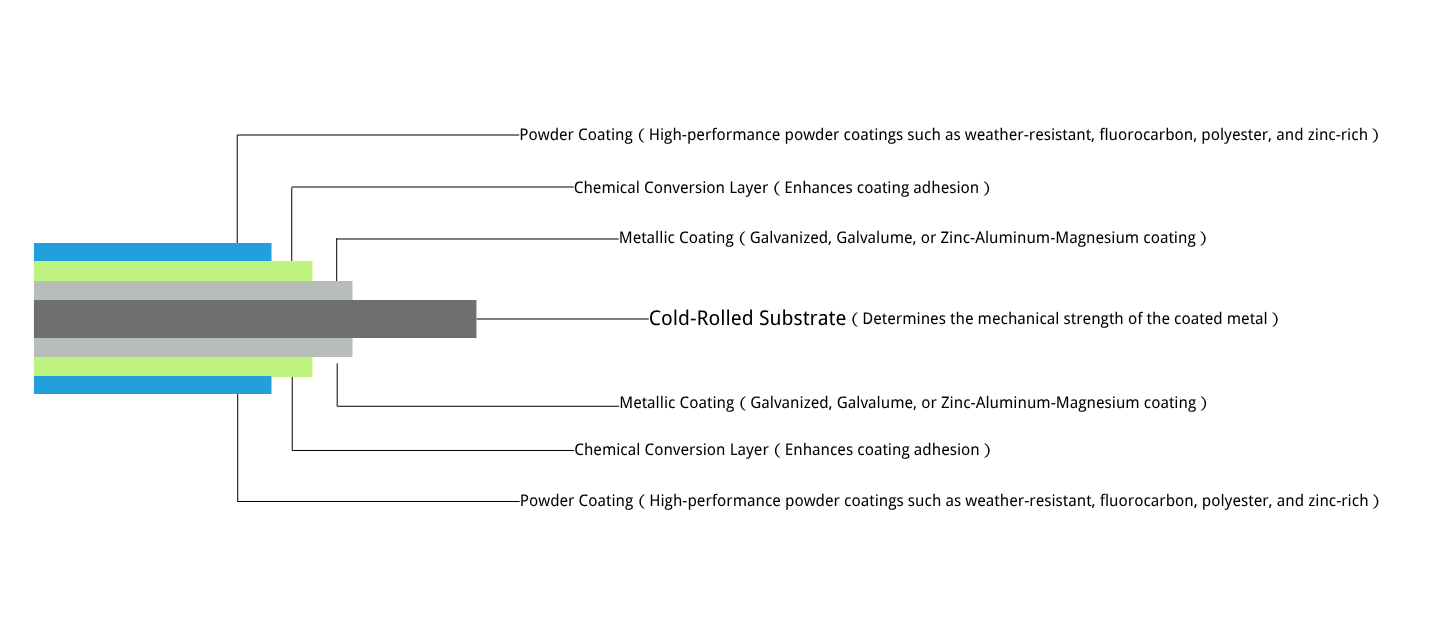
New Process: Eco-Friendly, Energy-Efficient, and Outperforming Traditional Prepainted Steel
The core advantage of powder-coated steel lies in its production process—it fundamentally overturns the traditional “multi-coating, multi-baking” model used in solvent-based prepainted steel.
Process Comparison:
| Comparison Criteria | Powder-Coated Steel Process | Traditional Solvent-Based Coating Process |
| Coating Process | Single powder coating (one-pass application) | Primer + Topcoat + Multiple coating layers |
| Energy Consumption | Low (over 30% energy savings compared to traditional methods) | High (multiple curing cycles required) |
| VOC Emissions | Zero (solvent-free) | High (due to solvent evaporation) |
Core Advantages: Why Can It Replace Traditional Prepainted Steel?
1. Ultra-Thick & High-Density Coating: Maximum Corrosion Protection
Traditional prepainted steel typically has a single coating thickness of ≤25 μm, while powder-coated steel can achieve over 120 μm in one pass. After curing, the polymer powder forms a seamless, highly dense coating that effectively blocks moisture, salt, and other corrosive agents. Even in coastal environments, it can remain rust-free for over 5 years.
2. Excellent Acid & Alkali Resistance: A “Protective Armor” for Buildings
Tests show that powder-coated steel offers 5–6 times better acid and alkali resistance than traditional prepainted steel. Even in harsh environments such as chemical plants or acid rain regions, the coating resists blistering and peeling.
3. Full Coating Coverage & Strong Formability: No Cracking on Bending
In a 180° bend test, the coating does not crack or peel. With hardness up to 5H (resistant to scratches from ordinary keys), it is ideal for applications requiring forming and bending, such as elevator panels and vehicle bodies.
4. Zero VOC Emissions: Truly Eco-Friendly
The production process involves no solvent evaporation, fully complying with carbon reduction and environmental regulations. No complex exhaust treatment systems are required, and there are no irritating odors in the workshop.
5. Energy Saving & Labor Reduction: Over 30% Cost Savings
With rapid curing in 15–30 seconds, production efficiency is up to 60 times higher than traditional processes, while energy consumption is reduced by over 30%. Pre-coated panels can be directly assembled without on-site welding and repainting, reducing labor costs by around 20%.
Applications: From Construction to Appliances, Everywhere
Thanks to its advantages of durability, aesthetics, and environmental friendliness, powder-coated steel has been widely adopted across multiple industries:
- Construction Sector:
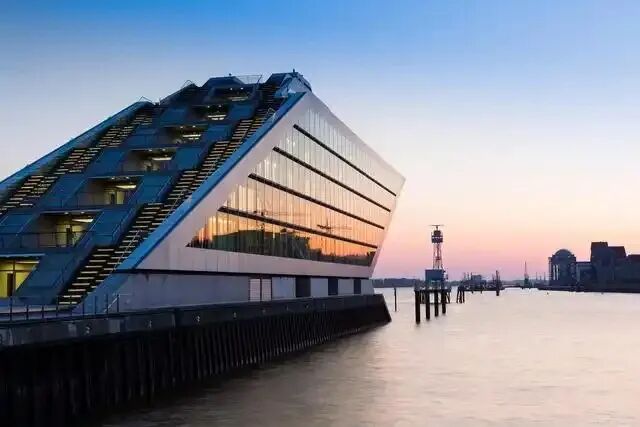
Metal roofing systems, wall cladding, fencing and guardrails, cleanroom wall panels - Industrial Sector:
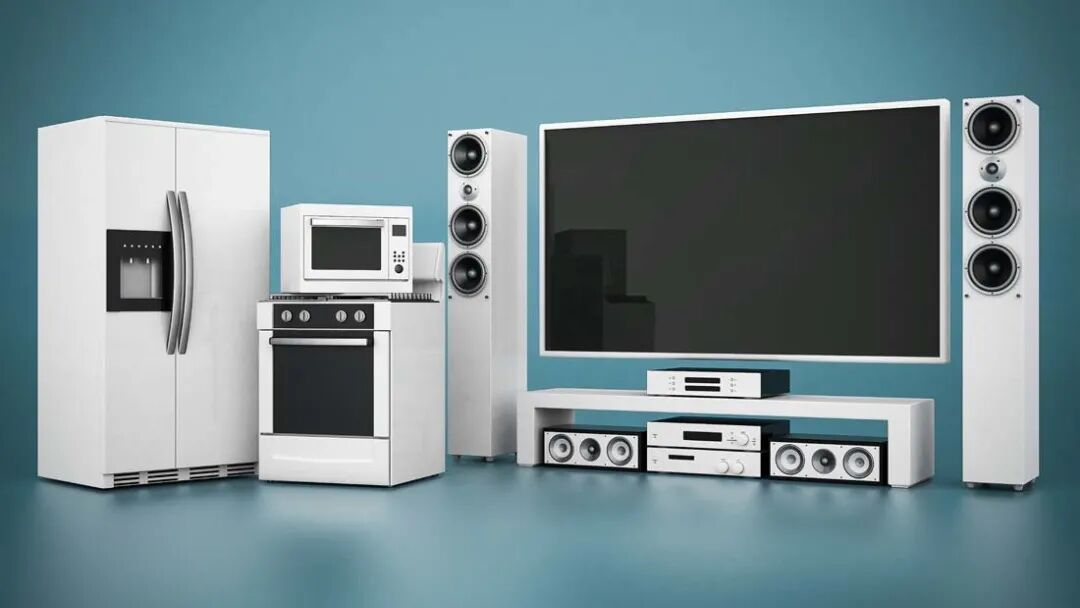
Home appliance housings (refrigerators, washing machines), elevator interiors, electrical cabinets, vehicle bodies - Residential & Commercial Use:
Steel doors and windows, filing cabinets, lighting housings, interior decorative panels