

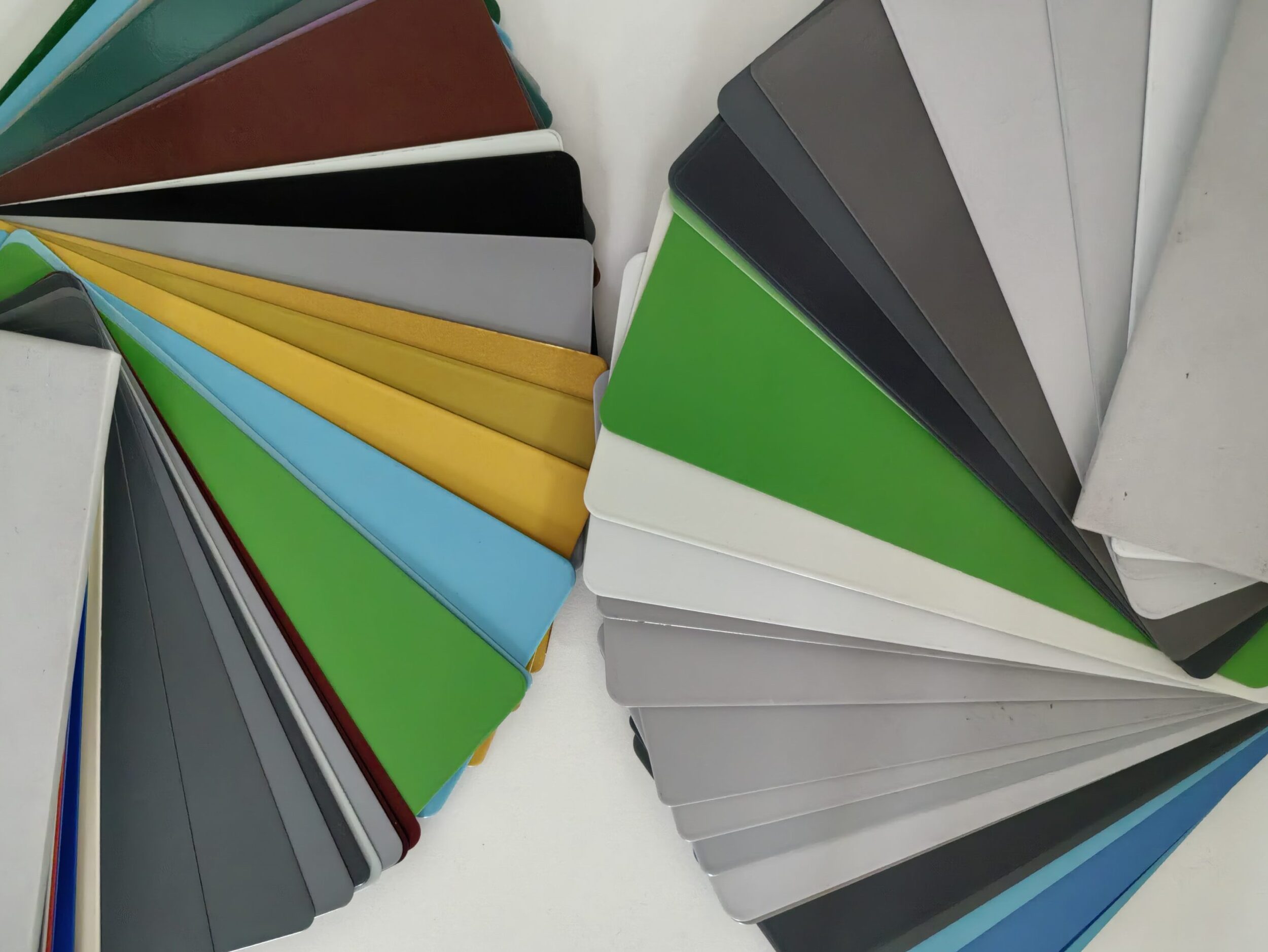

In the coated metal industry, both aluminum and steel are widely used as base materials. However, aluminum coil has become increasingly popular in many applications such as roofing, facade systems, and home appliances. This is mainly due to its unique combination of lightweight properties, corrosion resistance, and long-term performance.
1. Lightweight and Easy to Process
One of the biggest advantages of aluminum coil is its low density. Aluminum is about one-third the weight of steel, which makes it easier to handle, transport, and install.
For large projects such as roofing or wall cladding, using aluminum can significantly reduce the load on the building structure. This not only improves safety but also lowers overall construction costs.
In addition, aluminum is easy to cut, bend, and shape. This flexibility makes it ideal for customized designs and complex architectural applications.
2. Excellent Corrosion Resistance
Aluminum naturally forms a protective oxide layer on its surface. This layer helps prevent corrosion even in harsh environments such as coastal areas or industrial zones.
When combined with coating systems like PE or PVDF, the corrosion resistance of aluminum becomes even stronger. Compared to coated steel, aluminum does not rely on zinc layers to protect against rust, making it more stable over time.
This is especially important for long-term outdoor applications where durability is a key requirement.
3. Better Weather Resistance and Longer Service Life
Prepainted aluminum coil offers excellent resistance to UV radiation, temperature changes, and moisture. High-performance coatings such as PVDF can provide a service life of 20 years or more.
Steel, on the other hand, may experience coating damage or corrosion over time, especially if the protective layer is compromised.
For projects that require long lifespan and minimal maintenance, aluminum is often the better choice.
4. Superior Aesthetic Performance
Aluminum coil provides a smoother and more uniform surface, which results in better coating adhesion and color consistency.
It also supports a wide range of finishes, including high gloss, matte, metallic, wood grain, and embossed patterns. This makes it highly suitable for architectural decoration and appliance panels.
In comparison, steel may have surface imperfections that affect the final appearance.
5. Environmental and Sustainability Benefits
Aluminum is 100% recyclable and can be reused without losing its properties. Recycling aluminum requires much less energy compared to producing new material.
This makes aluminum coil a more environmentally friendly option, especially for projects aiming to meet sustainability standards.
Conclusion
While both aluminum and steel have their own advantages, aluminum coil stands out in coated metal applications due to its lightweight nature, corrosion resistance, long service life, and aesthetic flexibility.
For modern construction and manufacturing, aluminum is not only a practical choice but also a future-oriented material that supports both performance and sustainability.
