


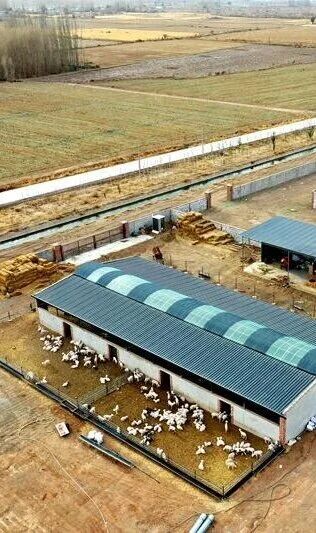
Livestock Farm Roofing Corrosion is one of the biggest challenges facing modern pig houses, poultry farms, and cattle barns. Although color-coated roofing sheets are widely used because of their durability and affordability, aggressive farm environments can significantly shorten their service life.
Behind this premature failure lies a continuous “chemical warfare” caused by corrosive gases, disinfectants, and high humidity.
1. Ammonia and Hydrogen Sulfide in Livestock Farm Roofing Corrosion
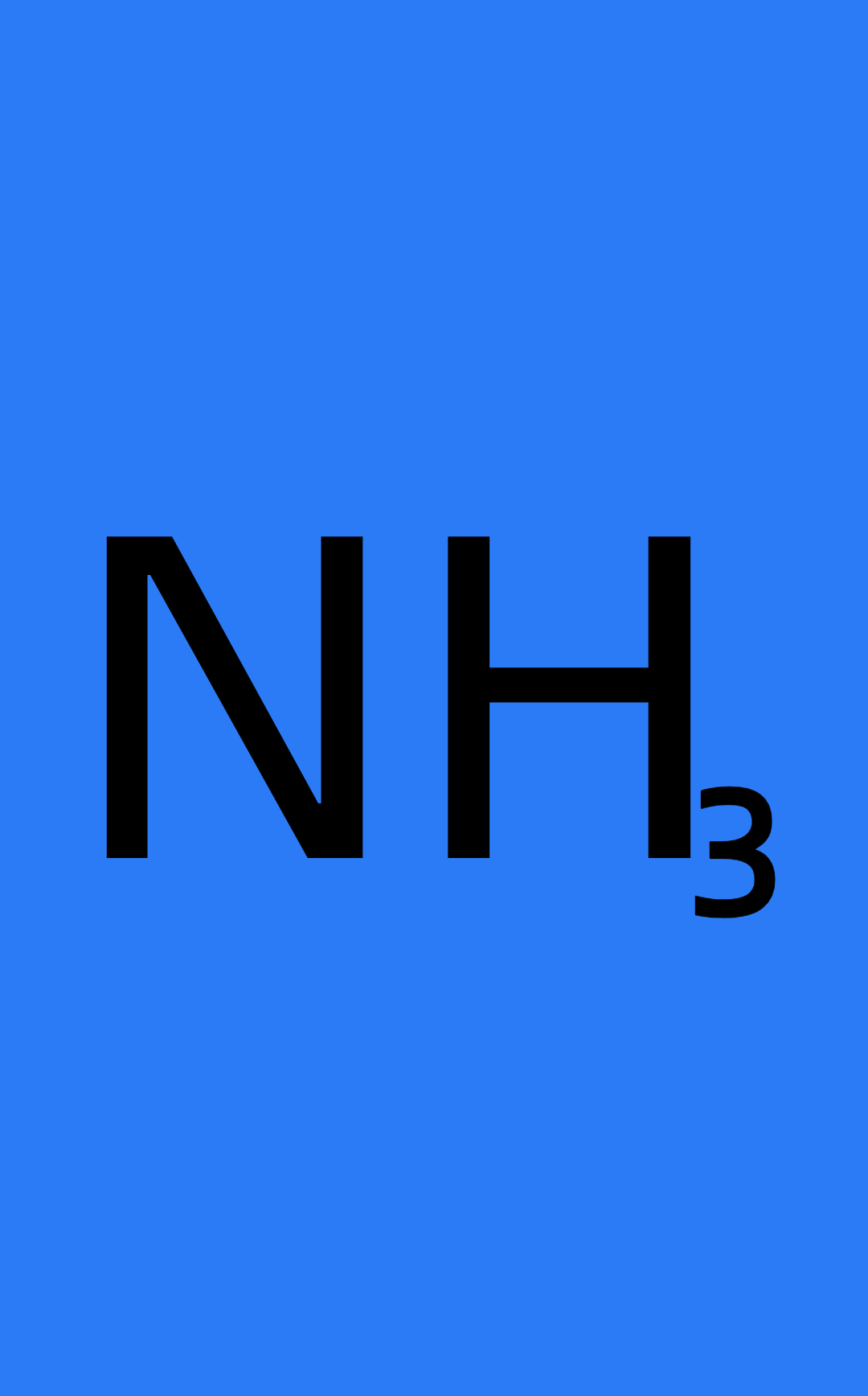

Ammonia (NH₃)
Ammonia is the pungent gas commonly associated with animal waste. It is continuously generated from livestock manure, urine, and decomposing feed residues.
When ammonia dissolves in moisture present in the air, it creates an alkaline environment on the surface of roofing materials. Over time, this alkaline condition gradually weakens protective coatings and accelerates their deterioration.
Hydrogen Sulfide (H₂S)
Hydrogen sulfide is responsible for the characteristic “rotten egg” smell often found in livestock facilities.
Although usually present at lower concentrations than ammonia, hydrogen sulfide is highly corrosive. When dissolved in moisture, it creates an acidic environment that can damage both protective coatings and the underlying metal substrate.
One gas is alkaline, the other acidic. Together, they form a powerful combination that continuously attacks roofing materials from different directions.
The situation becomes even more severe in livestock buildings, where high humidity and elevated temperatures provide ideal conditions for corrosion.
2. How Livestock Farm Roofing Corrosion Develops
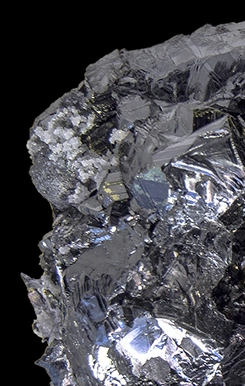
Corrosion begins when ammonia and hydrogen sulfide dissolve into the thin layer of moisture that naturally forms on roofing surfaces.
These corrosive compounds gradually attack the paint coating, creating microscopic defects that are invisible to the naked eye.
Once the coating is compromised, the protective metallic layer beneath it becomes exposed.
For galvanized steel sheets, the zinc coating serves as the primary defense against corrosion. However, continuous exposure to aggressive livestock environments gradually consumes this protective layer.
When the zinc coating is depleted, the steel substrate is directly exposed to moisture and oxygen.
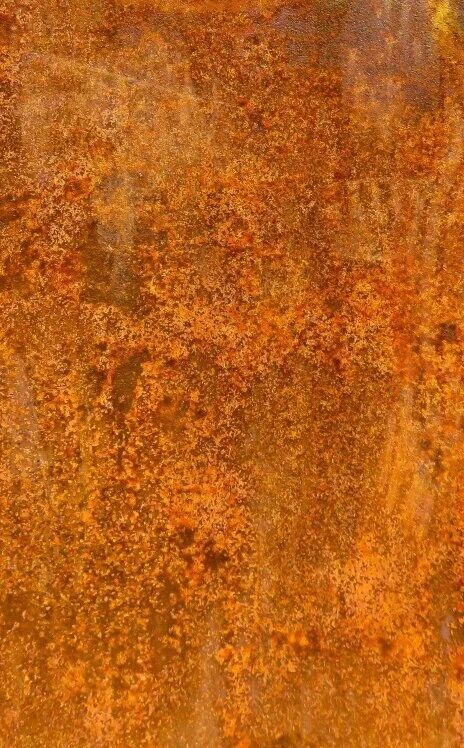
Rust then begins to form.
As corrosion progresses, rust occupies a greater volume than the original steel, causing expansion beneath the coating. This expansion lifts and cracks the surrounding paint, exposing even more metal to corrosive agents.
The result is a chain reaction that spreads across the roofing sheet, eventually leading to perforation, water leakage, and structural deterioration.
3. The Weakest Points in Corrosion Resistant Roofing
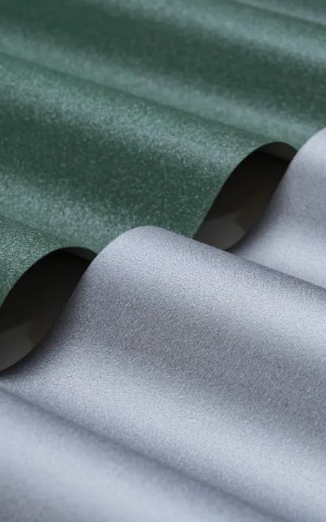
The paint coating on a color-coated sheet acts as its first line of defense.
However, every protective system has vulnerable areas.
These include:
- Scratches caused during transportation and installation
- Exposed cut edges created during fabrication
- Fastener holes and screw penetrations
- Areas damaged during maintenance activities
These defects become entry points for moisture and corrosive gases.
Among them, cut edges are often the most critical.
When a sheet is cut, the exposed metal at the edge loses the full protection provided by the coating system. If the metallic coating quality is inadequate, corrosion can begin rapidly at these exposed locations.
In severe livestock environments, rust staining at cut edges may become visible within a relatively short period of service.
4. How Disinfectants Accelerate Roofing Corrosion
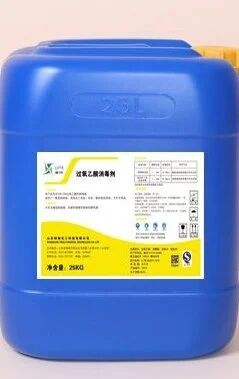
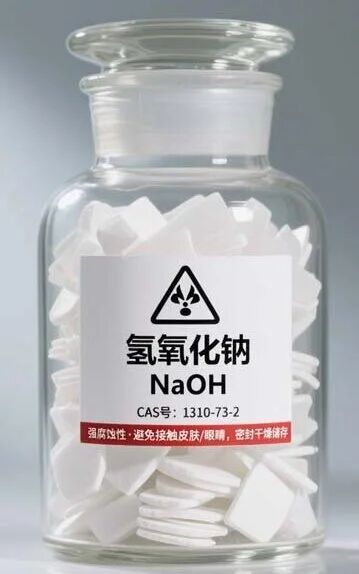
Biosecurity is essential in modern livestock production, and regular disinfection is a standard practice.
However, many commonly used disinfectants can also contribute to material degradation.
Products such as:
- Peracetic acid
- Sodium hydroxide (caustic soda)
- Chlorine-based disinfectants
are highly effective at eliminating bacteria and viruses, but they can also accelerate the aging of roofing coatings.
Frequent cleaning and disinfection expose roofing materials to repeated chemical attack while creating cycles of wetting and drying.
These cycles cause coatings to expand and contract repeatedly, which may lead to cracking, loss of adhesion, and reduced long-term performance.
5. Choosing the Right Roofing Material for Livestock Facilities
Corrosion in livestock buildings is not caused by a single factor.
It is the result of a complex interaction between:
- Ammonia
- Hydrogen sulfide
- Disinfectants
- High humidity
- Elevated temperatures
Together, these factors create one of the most aggressive environments for roofing materials.
In such conditions, conventional roofing sheets may experience significant corrosion within a relatively short period. By contrast, roofing systems specifically designed for agricultural and livestock applications can achieve substantially longer service life when combined with proper ventilation and regular maintenance.
For modern livestock facilities, selecting the right substrate, coating system, and corrosion-resistant solution is essential to reducing maintenance costs, preventing premature roof replacement, and ensuring long-term operational reliability.
Is Your Roofing Ready for the Chemical Challenge?
In livestock buildings, corrosion is not caused by rain alone.
Every day, ammonia, hydrogen sulfide, disinfectants, humidity, and temperature fluctuations work together to attack roofing materials.
The difference between a roof that lasts only a few years and one that performs reliably for more than a decade often comes down to choosing the right material from the start.
At Aocheng Metal, we provide high-performance color-coated aluminum and steel solutions designed to withstand demanding agricultural environments and deliver long-term protection where it matters most.

Great content! Keep up the good work!